Table of Contents
- Why You’ll Love Cottage Cheesecake
- Ingredients
- Instructions
- Tips for Success
- Substitutions
- Storage
- Serving Suggestions
- Frequently Asked Questions
These cottage cheesecake cups are the perfect high-protein, no-bake treat that comes together in minutes. Creamy, tangy, and lightly sweet, this recipe delivers 15 grams of protein per serving while keeping carbs low.
Whether you need a quick breakfast, post-workout snack, or guilt-free dessert, cottage cheesecake satisfies every craving. The combination of blended cottage cheese and light cream cheese creates a silky texture that rivals traditional cheesecake.
With just a handful of ingredients and zero oven time, this dish is ideal for busy weeknights or meal prep. Keep reading to learn why cottage cheesecake has become a favorite among fitness enthusiasts and busy families alike.
Why You’ll Love Cottage Cheesecake
High protein and low sugar make cottage cheesecake a smart choice for any eating plan. Each cup packs 15 grams of protein while staying under 140 calories, so you can enjoy dessert without derailing your goals.
The no-bake method means zero heating the kitchen, making this recipe perfect for summer or small spaces. Simply blend, chill, and serve in under two hours from start to finish.
Texture is everything in cheesecake, and cottage cheesecake delivers. Blending the cottage cheese until silky smooth eliminates any graininess, while the light cream cheese adds richness without excess fat.
Portion control is built in with individual cups. Pre-portioning prevents overeating and makes grab-and-go snacks effortless all week long.
Customizable toppings let you rotate flavors daily. Fresh berries, a sprinkle of cinnamon, or a drizzle of sugar-free chocolate keep this treat interesting without extra calories.
Cost-effective ingredients are staples you likely already have. Cottage cheese and cream cheese are inexpensive, and the recipe scales easily for meal prep.
Tips for Success
Blend the cottage cheese for a full 60 seconds. Stopping early leaves tiny curds that ruin the silky texture cottage cheesecake is known for.
Soften the cream cheese completely before beating. Cold cream cheese creates lumps that are hard to remove later.
Use a hand mixer or stand mixer on medium speed. Over-beating incorporates too much air and can cause the mixture to separate when chilled.
Chill for at least one hour, but two hours yields the best set. The longer chill time also deepens flavor as the vanilla and lemon meld.
Taste and adjust sweetness before chilling. Once the mixture sets, adding more sweetener is difficult without disturbing the texture.
Line cups with parchment strips for easy removal if you plan to serve them unmolded. This extra step makes presentation effortless.
Substitutions
Swap monk fruit sweetener for erythritol or stevia if preferred. Adjust amounts based on sweetness level, as potency varies by brand.
Use full-fat cream cheese for a richer version. The macros will change, but the flavor becomes more indulgent.
Replace lemon juice with lime juice for a tropical twist. The acidity level stays similar, keeping the cheesecake tang intact.
Almond flour mixed with a touch of melted butter creates a quick crust alternative to graham cracker crumbs. This keeps the recipe lower carb.
Greek yogurt can replace part of the cottage cheese for a tangier profile. Start with a 50/50 blend to maintain the 15-gram protein target.
Frozen berries work in a pinch. Thaw and drain well to avoid watering down the creamy filling.
Storage
Store cottage cheesecake cups in an airtight container in the refrigerator for up to four days. The texture remains stable and the flavor actually improves after the first day.
Do not freeze. The high dairy content causes separation and a grainy texture upon thawing.
Keep toppings separate until serving. Berries release juice that can make the surface watery if added too early.
Label containers with the date to ensure freshness. This is especially helpful during weekly meal prep.
If the surface looks slightly separated after several days, give the cups a gentle stir before eating. The flavor remains excellent even if appearance changes slightly.
Serving Suggestions
Enjoy cottage cheesecake straight from the fridge for the best texture. The cold temperature firms the filling and enhances creaminess.
Pair with a cup of black coffee or unsweetened tea. The slight bitterness balances the sweetness beautifully.
Top with a variety of fresh berries for natural sweetness and antioxidants. Blueberries, raspberries, and sliced strawberries all work well.
Sprinkle a few crushed almonds or walnuts for crunch and healthy fats. This addition turns the cups into a more complete mini-meal.
Drizzle with sugar-free chocolate syrup for a dessert-like experience without the sugar spike.
Serve alongside a small side of granola for extra fiber and staying power if using as breakfast.
These cups also make excellent pre-workout fuel. The protein and minimal carbs provide steady energy without heaviness.
Ingredients
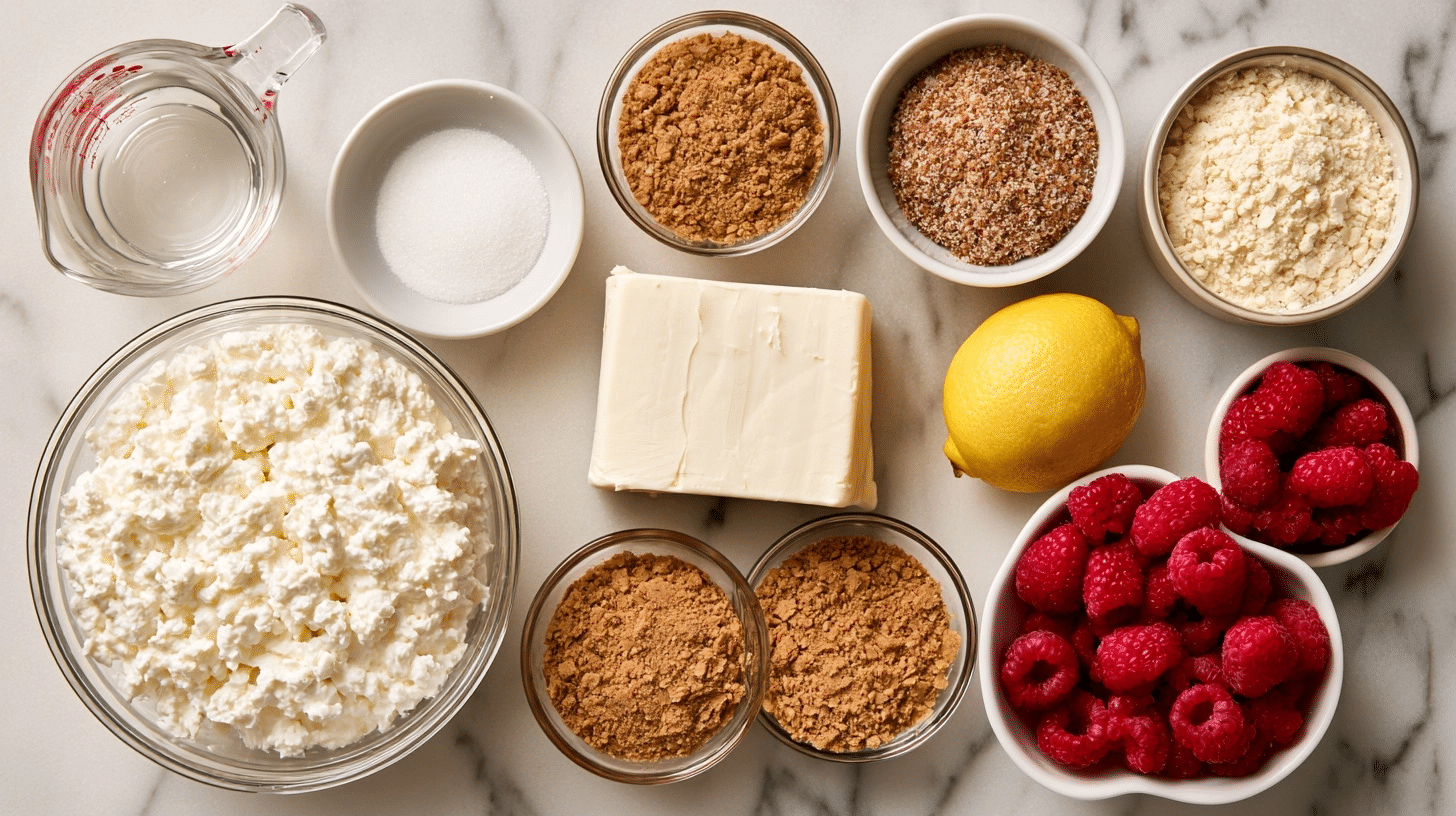
The ingredient list for cottage cheesecake is short and straightforward. You likely have most items in your fridge and pantry already.
One cup of cottage cheese forms the protein-packed base. Blending transforms the curds into a smooth, yogurt-like consistency that mimics traditional cheesecake filling.
Four ounces of light cream cheese add richness and tang. Softening it first ensures the mixture stays lump-free and ultra-creamy.
Two tablespoons of monk fruit sweetener keep carbs low while delivering just the right amount of sweetness. Adjust to taste if you prefer a less sweet version.
One teaspoon of vanilla extract rounds out the flavor profile with warm, bakery-style notes.
Half a teaspoon of lemon juice brightens everything and mimics the classic cheesecake tang. Fresh lemon juice tastes best, but bottled works in a pinch.
Optional graham cracker crumbs or almond flour create a quick crust layer. Two tablespoons are plenty for four cups and add satisfying crunch.
Fresh berries finish the dish with natural sweetness, color, and antioxidants. Use whatever is in season or on sale.
Instructions
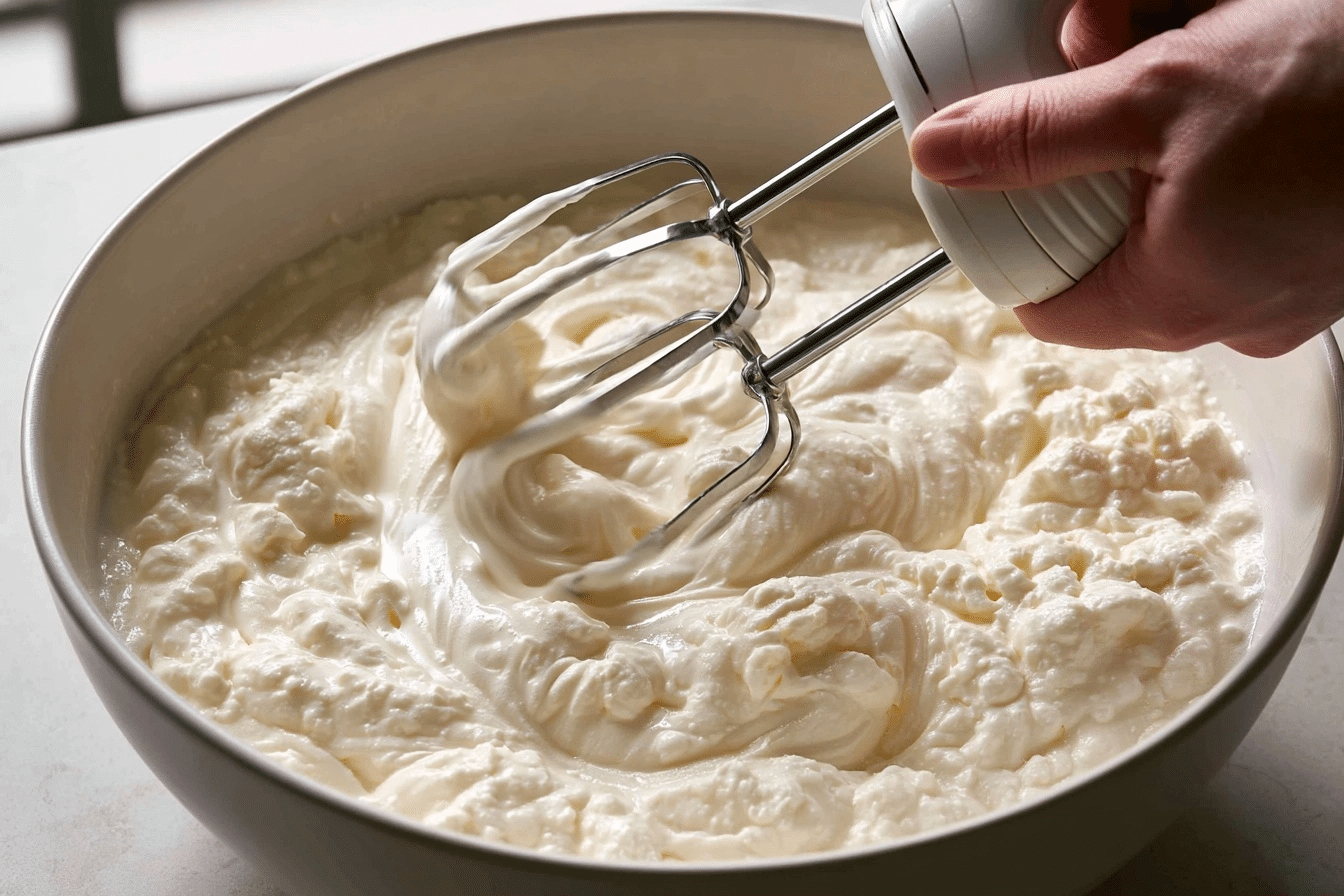
Step one starts with blending the cottage cheese until completely smooth. Sixty seconds in a high-speed blender or food processor usually does the trick, but check for any remaining curds and blend another 15 seconds if needed.
While the cottage cheese blends, beat the softened cream cheese in a medium bowl until fluffy. This takes about 30 seconds with an electric mixer on medium speed.
Add the blended cottage cheese to the cream cheese along with monk fruit sweetener, vanilla, and lemon juice. Beat on medium speed until the mixture is completely smooth and no streaks remain.
Divide the creamy filling evenly among four small cups or ramekins. A cookie scoop makes portioning neat and consistent.
Smooth the tops with the back of a spoon or small offset spatula. This creates a clean surface for toppings and helps the mixture settle evenly.
Chill the cups for at least one hour, though two hours is ideal for the best texture. The filling will firm up and flavors will meld during this time.
Just before serving, top each cup with fresh berries. If using the optional crust, sprinkle the crumbs or almond flour into the bottom of each cup before adding the filling.
Enjoy immediately or store in the refrigerator for up to four days. The texture stays creamy and the protein remains stable throughout the storage period.
Conclusion
Cottage cheesecake cups prove that healthy eating does not mean sacrificing flavor or texture. With 15 grams of protein, minimal carbs, and a silky mouthfeel, this recipe earns a permanent spot in your weekly rotation.
Whether you are meal prepping for the week or whipping up a last-minute dessert, these cups deliver every time. Try them today and discover why cottage cheesecake is trending among health-conscious foodies.
Print
No-Bake Cottage Cheesecake Cups
- Total Time: 1 hour 10 minutes
- Yield: 4 servings
- Diet: High-Protein
Description
Creamy, high-protein cottage cheesecake cups with 15g protein each. No baking required and ready in under two hours.
Ingredients
- 1 cup cottage cheese, blended smooth
- 4 oz light cream cheese, softened
- 2 tbsp monk fruit sweetener
- 1 tsp vanilla extract
- ½ tsp lemon juice
- Optional: 2 tbsp graham cracker crumbs or almond flour
- Fresh berries for topping
Instructions
- Blend cottage cheese 60 seconds until completely smooth with zero curds.
- Beat softened cream cheese until fluffy, then add blended cottage cheese, sweetener, vanilla, and lemon juice. Beat until creamy.
- Spoon mixture into 4 cups and smooth tops.
- Chill at least 1 hour to set.
- Top with fresh berries before serving. Store in fridge up to 4 days.
Notes
Adjust sweetness to taste before chilling. For a quick crust, add ½ tablespoon graham cracker crumbs or almond flour to the bottom of each cup before filling.
- Prep Time: 10 minutes
- Cook Time: 0 minutes
- Category: Dessert
- Method: No-Bake
- Cuisine: American
Frequently Asked Questions
Can I make cottage cheesecake without a blender?
Yes, but the texture will be slightly grainy. Press the cottage cheese through a fine mesh sieve first, then beat vigorously with the other ingredients until as smooth as possible.
How many calories are in each cottage cheesecake cup?
Each cup contains approximately 132 calories, 15 grams of protein, 3 grams of carbs, and 6 grams of fat when made exactly as written.
Can I use regular cream cheese instead of light?
Absolutely. The flavor becomes richer, but calories and fat increase. Adjust portion sizes or toppings accordingly if tracking macros.
Is monk fruit sweetener necessary?
You can substitute any zero-calorie sweetener you prefer. Taste the mixture before chilling and adjust sweetness to your liking.
How long do cottage cheesecake cups last in the fridge?
Stored in an airtight container, they stay fresh for up to four days. The flavor actually improves after the first day as the vanilla and lemon meld.